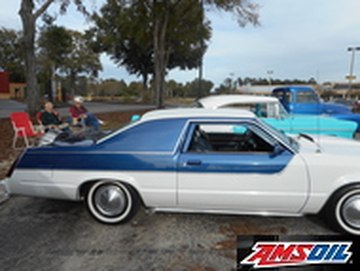
Engine Lubrication and Maintenance for the 1980 Mercury ZEPHYR 4.2L
Maintaining a vehicle from the early 1980s requires a shift in perspective compared to modern automotive care. For owners of a 1980 Mercury ZEPHYR equipped with the 4.2L engine, routine service is not just about following a schedule; it is about monitoring the physical condition of aging components and ensuring that lubrication remains effective despite the passage of time.
Monitoring Fluid Integrity and Potential Seepage
As vehicles age, the materials used in gaskets and seals can undergo changes in elasticity. For the 1980 Mercury ZEPHYR, regular visual inspections are a primary tool for identifying potential issues before they escalate. Rather than waiting for a significant leak to occur, owners should look for signs of seepage around various engine junctions.
When performing routine checks, pay close attention to the following areas:
- Sealing Surfaces: Inspect the areas where major engine components meet to check for any oily residue or dampness.
- Drain Areas: Check the area around the oil pan and drain plug for evidence of slow weeping.
- External Connections: Look at various connection points and housings for signs of moisture that might indicate a seal is no longer providing an airtight or watertight barrier.
It is important to note that finding a small amount of residue does not always indicate an immediate failure, but it does serve as a baseline. By noting where minor seepage occurs, you can better track whether the condition is stable or worsening over time.
Observing Changes in Engine Operation
Effective maintenance involves being attentive to how the 4.2L engine behaves during different operating conditions. Because symptoms can often be associated with multiple underlying causes, any change in performance should be treated as a prompt for closer investigation rather than an immediate diagnosis.
Owners should remain alert to several indicators:
- Changes in Lubricant Appearance: If the oil appears significantly darker or has a different texture than usual during a check, it may warrant an earlier service interval.
- Unusual Noises: Any new mechanical sounds that coincide with engine operation should be investigated to ensure internal components are receiving adequate lubrication.
- Exhaust Observations: Changes in the color or consistency of exhaust gases can sometimes be linked to how the engine is managing its fluids.
- Warning Indicators: If any dashboard indicators related to fluid levels or pressure illuminate, these require immediate attention to prevent potential damage.
If you notice any of these signs, a professional inspection is often necessary to determine the exact source of the change.
Prioritizing Long-Term Engine Care
For an older vehicle like the 1980 Mercury ZEPHYR, maintenance priorities should be driven by the actual condition of the machine rather than just the calendar. If you do not have a complete service history for the vehicle, your first goal should be to establish a maintenance baseline.
Establishing this baseline involves documenting every fluid change, filter replacement, and repair performed. This creates a roadmap that helps you distinguish between normal aging and actual mechanical decline. When reviewing your maintenance tasks, consider these strategies:
- Condition-Based Decisions: Instead of replacing parts simply because they are old, use visual inspections to determine if a component—such as an accessible belt or hose—is actually showing signs of deterioration like cracking or fraying.
- Addressing Active Concerns: If you identify an active leak or a change in fluid consumption, prioritize addressing these issues before moving on to purely preventive tasks.
- Record Keeping: Maintain a detailed log of when lubricants were changed and what specific products were used. This is invaluable if you ever need to troubleshoot a recurring issue or sell the vehicle.
By focusing on the current state of the 4.2L engine, you can allocate your time and resources toward the most impactful maintenance tasks.
The Role of Lubrication in Engine Health
Engine oil performs several vital roles that are essential for the continued operation of the 1980 Mercury ZEPHYR. Beyond simply reducing friction between moving parts, the lubricant plays a significant role in managing the thermal environment within the engine block. As the engine operates, heat is generated through combustion and mechanical movement; the oil helps to carry this heat away from critical areas.
Furthermore, the oil acts as a cleaning agent. As it circulates, it picks up microscopic particles and combustion byproducts, carrying them toward the filter where they can be removed. Over time, if the oil is not changed according to a consistent schedule, these contaminants can accumulate, potentially leading to the formation of deposits or sludge. Maintaining fresh lubricant ensures that these cleaning properties remain effective, helping to keep internal passages clear.
Practical Inspection of Auxiliary Components
While engine oil is a primary focus, other components that interact with the engine's operation deserve regular attention. For instance, if the vehicle is equipped with various drive belts, these should be inspected for signs of glazing, cracking, or fraying. A belt that is slipping or deteriorating can affect the performance of several engine-related systems.
Similarly, inspecting hoses and electrical connections is a prudent part of any service routine. Hoses that feel excessively soft or show signs of bulging may eventually fail, while aging electrical connectors can lead to inconsistent signals for various sensors. Integrating these checks into your oil service routine ensures a more comprehensive approach to vehicle health.
Buying Engine Oil for the 1980 Mercury ZEPHYR 4.2L
When it is time to replenish the lubrication in your 1980 Mercury ZEPHYR, the most important step is to ensure the product matches the specific requirements of your engine. Because different engines have unique needs regarding fluid thickness and additive packages, you should not rely on general automotive knowledge or assumptions based on the vehicle's age.
To make an informed purchase, follow these guidelines:
- Match Application Information: Always refer to the specific viscosity and application requirements listed in the technical information provided on this webpage. This is the most reliable way to ensure you are using the correct lubricant for your 4.2L engine.
- Verify Product Labels: Before completing your purchase, double-check the bottle label to confirm that the SAE viscosity and API service classifications align with the data shown above.
- Consider Formulation Options: Depending on your specific needs and the current condition of your engine, you may choose between conventional, synthetic blend, or full synthetic oils. Some high-mileage formulations are also available, which contain additives intended for use in aging engines.
By strictly adhering to the application-specific information provided here, you can select an oil that supports the continued operation and maintenance of your Mercury ZEPHYR.